Pest guide · Meridian, Idaho
Rats on the Meridian Bench: Burrows, Rooflines, and Public Sightings
- Reviewed by a licensed Idaho pest professional
Ada County has a documented rat problem, and Central District Health has reported activity in several of the county’s communities, including Meridian. Two non-native rats — the Norway rat and the roof rat — live in the Treasure Valley, and Idaho also has a native pack rat, which is a different animal. Droppings, urine, bites, and fleas can spread disease, so active signs are a health issue, not only a mess. Because rats use food, water, and cover along a whole block, a licensed professional can help work out how they are getting in.
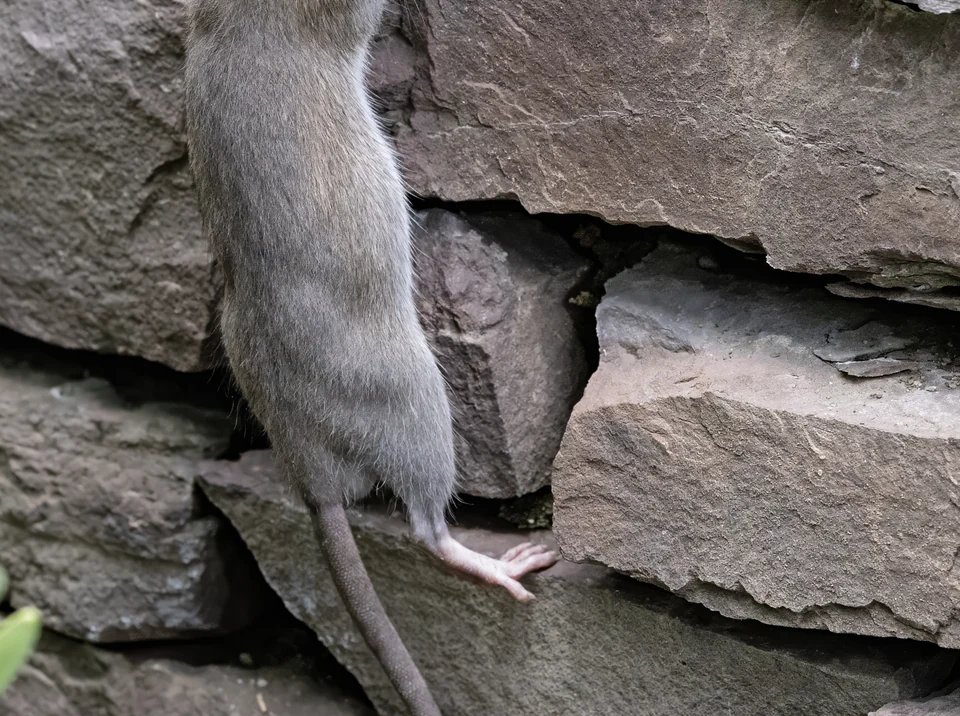
Why Meridian’s growth and laterals favor rats
The irrigated bench gives Norway rats burrow ground along laterals, fence lines, and commercial edges. Roof rats use fences and utility lines to reach attics. Rapid conversion of farmland, restaurant corridors around The Village at Eagle Road and Fairview, and older downtown blocks supply the food, water, and cover those animals need.
The map below is centered on Meridian. It plots anonymous neighbor reports collected by the Treasure Valley Pied Piper project. It is civic science, not a complete census, but it is a clearer local picture than a generic western description.
Neighbor reports of rat activity, centered on Meridian
This community map shows anonymous, privacy-shifted rat sightings shared by neighbors across the Treasure Valley as part of a civic science project. You can use it to look for reports in and around Meridian as well as the rest of the valley.
Reports: Treasure Valley Pied Piper (tvpiedpiper.com) · Report a sighting
Norway rat, roof rat, or native pack rat?
| Norway rat | Roof rat | Pack rat (bushy-tailed woodrat) | |
|---|---|---|---|
| Status in Idaho | Introduced | Introduced | Native |
| Typical habits | Lives at ground level and burrows; does well wherever food, water, and shelter sit close together | Smaller and a capable climber; uses trees and utility lines to reach roofs and attics | Builds bulky nests, called middens, in rock, caves, and unused buildings; active at night |
| Tail | Shorter than the head and body | Longer than the head and body | Hairy, unlike the two introduced rats |
| Where you notice them here | Laterals, fence lines, dumpsters, and foundation edges | Attics, rooflines, and lines that run from trees to the house | Outbuildings, leftover agricultural structures, and rocky cover more than a typical subdivision kitchen |
Correct identification changes the work: a burrowing Norway rat and a climbing roof rat are not inspected the same way.
Health reasons to take rat signs seriously
The Idaho Department of Health and Welfare lists illnesses tied to rats in the Treasure Valley, spread through droppings, urine, saliva, bites, and scratches (DHW):
- Plague, usually when infected fleas leave rats, especially after rats die, and bite people.
- Leptospirosis, which can damage the kidneys and liver.
- Flea-borne typhus, salmonellosis, and rat-bite fever.
- Allergic reactions to proteins in rat urine.
- Fire risk when rats chew electrical wiring.
On hantavirus, DHW states that Norway and roof rats do not carry the strains that cause the lung disease, such as Sin Nombre virus, which is associated with deer mice. That distinction matters, and it does not make rat droppings harmless.
Signs that justify a professional visit
Request a quote if you find droppings, hear scratching in an attic or wall, notice burrows beside a foundation or deck, see rats on fences or lines near the roof, or learn that a neighbor has an active problem. You can also log sightings through Central District Health’s Treasure Valley Pied Piper page or the Idaho State Department of Agriculture reporting form, which help local agencies track activity.
What licensed rodent work usually includes
Central District Health recommends a licensed pest management professional for active infestations or recurring rodent activity, and suggests asking about inspection, treatment options, prevention, and follow-up before agreeing to work (CDH). That work typically includes:
- Identifying the animal. Norway rat, roof rat, pack rat, and mouse each call for a different plan, and roof rats require a look at the roofline, trees, and utility lines.
- Finding the openings. CDH notes that rats can enter through small gaps around roofs, foundations, vents, pipes, and utility lines.
- Closing those openings with durable materials such as hardware cloth, steel wool with foam, or concrete. DHW notes that exclusion is part of lasting control.
- Using tamper-resistant bait stations and traps placed where children, pets, and wildlife cannot reach them. Bait is always kept inside locked, tamper-resistant stations.
Get a free quote from a licensed local provider
Recommended local provider
Quote requests from this guide are passed to a licensed local provider. ProGuard is a local, family and veteran owned company, licensed and insured. Treatments are family and pet safe.
- Local, family and veteran owned
- Licensed and insured
- Family and pet safe
- Free quote
- Serves Meridian, Idaho
Common questions about rats in Meridian
Is Meridian really part of the Ada County rat picture?
Yes. Central District Health has discussed rat activity in several Ada County communities, and neighbor reports plotted on the Pied Piper map include Meridian. The irrigated bench, restaurant corridors, and older downtown blocks all offer the resources rats use.
What is the difference between a Norway rat and a roof rat?
Norway rats burrow and stay close to the ground. Roof rats climb and often reach attics along trees and utility lines. The tail length, body shape, and where you see them help tell them apart, and a professional should confirm.
Do I need to worry about hantavirus from these rats?
Idaho DHW says Norway and roof rats do not carry the hantavirus strains that cause lung disease in people. Deer mice are the usual concern for that illness. Rats still pose other disease and fire risks, so droppings and nests should be handled carefully.
Can I just put bait in the yard?
Loose bait can put children, pets, and wildlife at risk, and it does not close the openings rats are using. A licensed professional uses tamper-resistant bait stations and pairs them with exclusion and follow-up.
Sources
- Central District Health, rats and rodent prevention in Ada County
- Idaho Department of Health and Welfare, health risks from rats
- Treasure Valley Pied Piper
- Idaho State Department of Agriculture
Citations go to the university, agency or city record behind each fact.
Keep reading
Other pests in Meridian homes
Need help with a pest in Meridian?
Describe what you are seeing and request a free quote. Requests are passed to a licensed local provider.