Pest guide · Meridian, Idaho
House Flies, Cluster Flies, and Fruit Flies in Meridian Kitchens and Attics
- Reviewed by a licensed Idaho pest professional
The fly on a Meridian kitchen counter is not always the same insect as the fly clustering on a sunny window in October. House flies breed in decaying organic matter and can move bacteria from trash to food. Cluster flies overwinter in wall voids and attics, especially in older downtown brick and bungalows, and show up in numbers on warm fall and late-winter days. Fruit flies develop in fermenting food, drains, and overripe fruit. A licensed professional can tell them apart and look for the source rather than swatting adults one at a time.
Why Meridian’s trash corridors and older houses see different fly problems
Restaurant blocks downtown and around The Village at Eagle Road and Fairview, plus household trash enclosures in tight new subdivisions, give house flies plenty of breeding material in warm months. Irrigation and pet waste in yards add to that. Cluster flies are a building problem more than a trash problem: they seek sun-warmed walls in fall and slip into attic and eave gaps, which older masonry and bungalows provide more readily than a brand-new house. Fruit flies follow the kitchen itself — a forgotten potato, a recycle bin, or a drain.
Three flies, three different sources
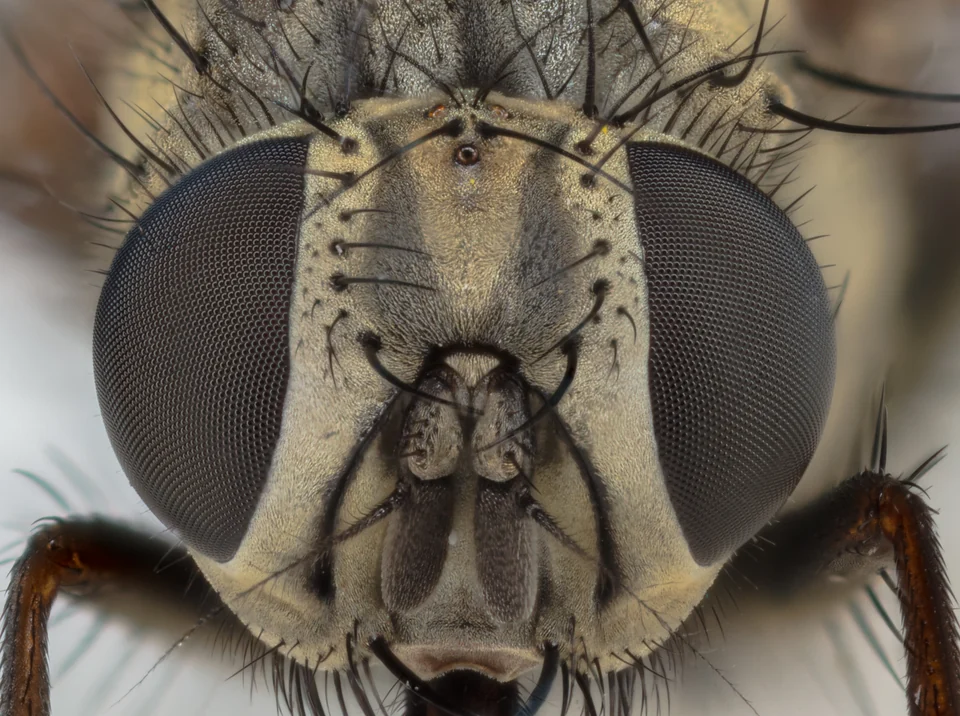
- House flies are gray, with reddish eyes, and rest on food, trash, and counters. They breed in garbage, manure, and other decaying material.
- Cluster flies look similar at a glance but move more sluggishly and gather in groups on sunny windows and in attics. They develop as parasites of earthworms outdoors and use buildings only for shelter.
- Fruit flies are much smaller, often with red eyes, and hover around fruit, drains, and fermenting spills.
The Pacific Northwest Insect Management Handbook treats these as separate identification and management problems, because a trash-breeding house fly and an overwintering cluster fly will not respond to the same approach.
Why house flies are a sanitation issue
House flies walk on decaying material and then on food and food-prep surfaces. Public-health sources, including the CDC’s materials on filth flies, treat that habit as a way to move bacteria and other contaminants. Cluster flies and fruit flies are usually a nuisance rather than the same kind of contamination risk, though a heavy fruit-fly problem still points to decaying food that should not sit out. This page is general information, not medical advice.
When fly activity is more than a few adults
Request a quote when house flies keep appearing despite covered trash, when flies cluster on windows or in an attic every fall, or when fruit flies return after obvious fruit has been thrown out. Recurring activity usually means a source or an entry point that is still open.
How a professional usually sorts out a fly complaint
- Identifies the fly, because house flies, cluster flies, and fruit flies point to different sources.
- Finds breeding or entry sites — trash, pet waste, drains, or, for cluster flies, attic and eave gaps.
- Treats or excludes as the species requires, including attic work for cluster flies in older buildings, and follow-up where breeding material cannot be removed in one visit.
Get a free quote from a licensed local provider
Recommended local provider
Quote requests from this guide are passed to a licensed local provider. ProGuard is a local, family and veteran owned company, licensed and insured. Treatments are family and pet safe.
- Local, family and veteran owned
- Licensed and insured
- Family and pet safe
- Free quote
- Serves Meridian, Idaho
Questions about flies in Meridian buildings
Why do I suddenly have a swarm of flies on the windows in October?
Those are often cluster flies moving into wall voids and attics for the winter, especially in older brick and bungalow homes downtown. They are not necessarily breeding in your trash.
Are house flies a health concern?
They can move contaminants from decaying material to food and counters. That is why a recurring house-fly problem is treated as a sanitation issue, not only a nuisance.
I threw the bananas away. Why are fruit flies still here?
Larvae can be in a drain, a recycle bin, a hidden spill, or another piece of fermenting food. The adults you see are only part of the population.
Will a spray on the windows end a cluster-fly problem?
Killing the adults on the glass does not close the eave and attic gaps they are using, and they may return the next warm day. A professional looks at those entry points.
Sources
Citations go to the university, agency or city record behind each fact.
Keep reading
Other pests in Meridian homes
Need help with a pest in Meridian?
Describe what you are seeing and request a free quote. Requests are passed to a licensed local provider.